When I was an undergraduate, it wasn’t until the first lab session of my ecology course (in which we caught grasshoppers and marked their backs with nail polish) that I realized that science isn’t just something you read about in a book; science is something you do. And for me, it’s also something you tell stories about. As I have developed from a student to an educator, I have learned that teaching is most effective when students are engaged in a way that stimulates their interest, acknowledges their unique way of thinking, and encourages them to see the real-world applicability of the subject.
My teaching experiences have been both broad and diverse, each adding to my pedagogical toolkit. Throughout these experiences, I have found that my students also learn best when the subject is experiential and purposeful, and when it ties into their existing understanding of their community and of the world. The best thing about science, to me, is that participation both increases knowledge and makes the topic more interesting. Why read about blood types and Punnett squares when you can genotype fake blood to solve a fictional paternity case? Why listen to a lecture on ecological interactions when you can observe a garden outdoors? And why settle for boring textbook descriptions of phenomena when you can use analogy and creative storytelling to engage your audience?
As an instructor, my main goals are to teach students the tools to critically evaluate problems and apply information in new contexts, to help students effectively communicate the results of scientific inquiry, and to provide multiple modalities for learning and disseminating information.
Together, I want these approaches to help my students see that science is a collaborative, participatory process.
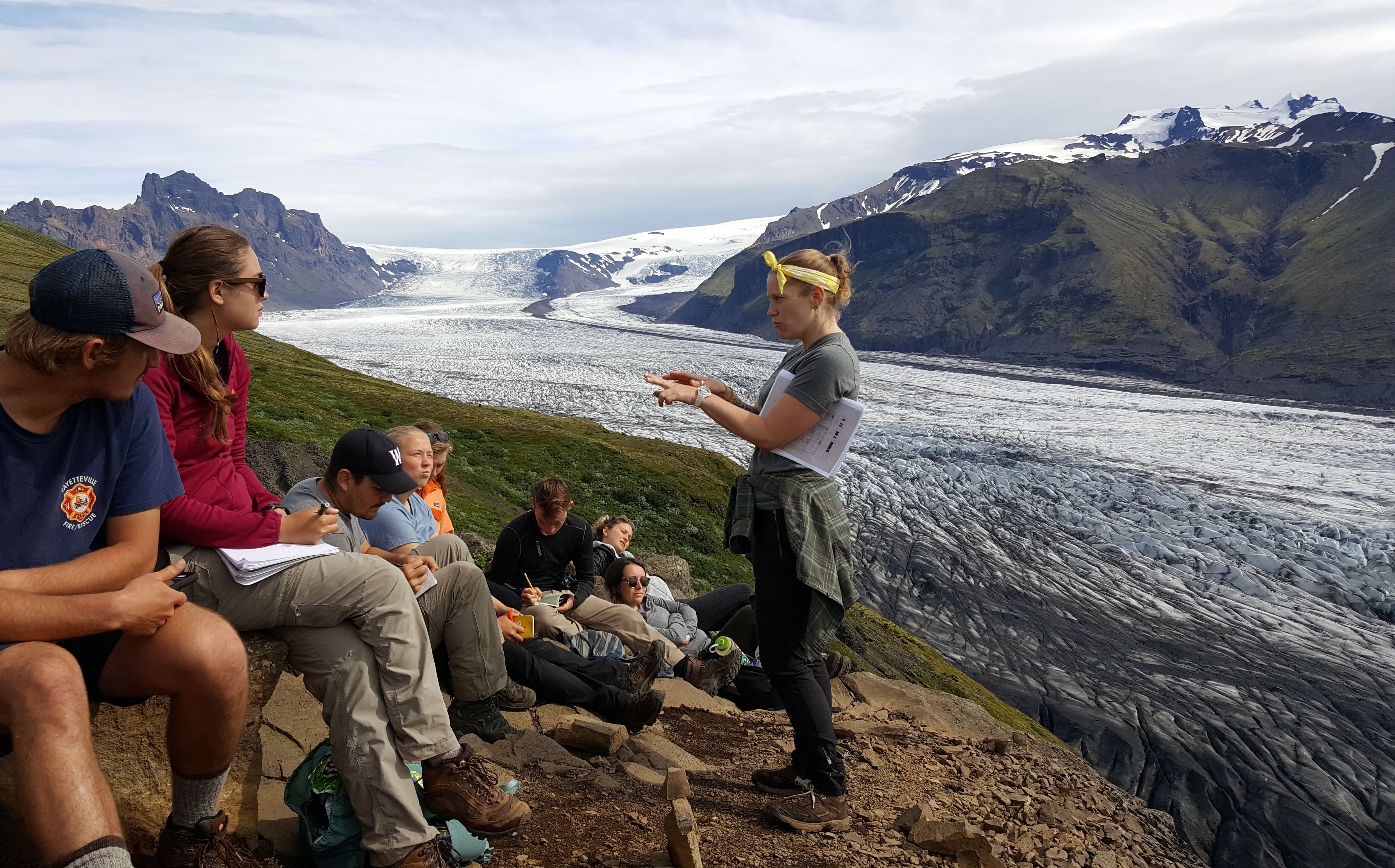
Scientific communication, encompassing both writing and oral presentation, is a critical responsibility of the science community. As a result of my broad training in science communication and mass media, I believe that scientists must be able to clearly convey their ideas in a way that is accurate and accessible to their intended audience, whether that be academics or the general public. Despite the critical importance of communication for scientists, undergraduate biology training programs typically consider writing and presentation as skills to be covered by other classes. Biology curricula may require students to communicate results (e.g., through lab reports, literature reviews, poster presentations), but with few exceptions, students are not provided explicit training in these skills. Instead, they are expected to learn by doing or to follow the “apprenticeship” model.
As an instructor of Writing in the Biological Sciences at NAU, I am dedicated to teaching students how to interpret scientific papers and how to write and communicate clearly and effectively. To facilitate this kind of learning, students in my classes read relevant peer-reviewed primary studies and participate in open discussions about them, developing their confidence through short, low-stakes written assignments which culminate in longer research papers. I believe that training science students in writing is essential to developing the creative, critical thinking science communicators our world needs.
 Jessie Rack